

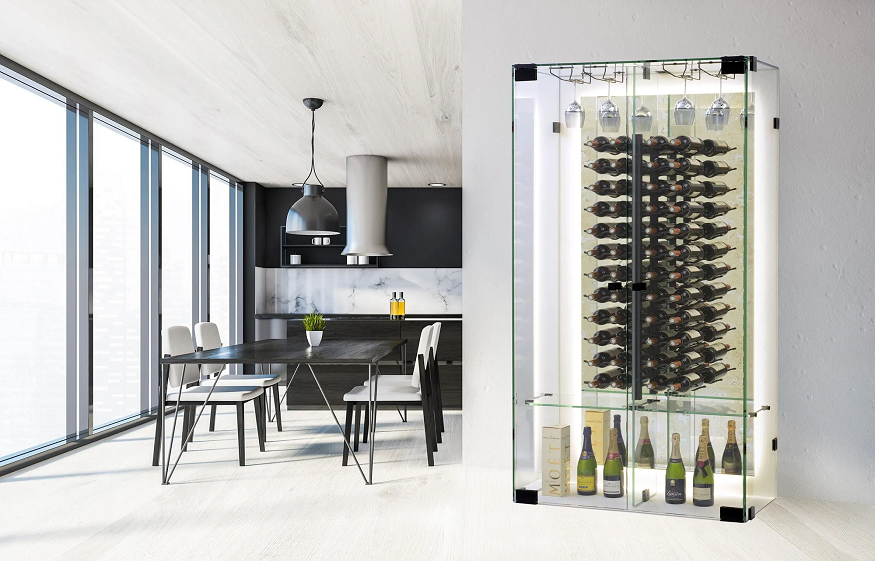
The traditional image of a wine cellar often evokes a dark, damp basement lined with dusty oak racks and tucked away from the main living areas of a home. While these subterranean spaces served their purpose for centuries, the modern homeowner is increasingly moving away from hidden storage in favor of high-visibility, minimalist design. The rise of glass wine cellar enclosures represents a significant shift in residential architecture, where the wine collection is no longer just a hobby relegated to the shadows but a central piece of living art. By blending sophisticated climate control technology with sleek, unobstructed views, glass enclosures allow oenophiles to integrate their passion directly into the heart of their home.
The Aesthetic Appeal of Structural Transparency
One of the primary reasons for the surging popularity of glass wine storage is its ability to create a sense of openness and light. In minimalist interior design, every element is chosen to maximize space and reduce visual clutter. Traditional wood-heavy wine rooms can feel heavy and enclosed, often making a room feel smaller than it actually is. In contrast, a glass-walled cellar maintains the sightlines of a room, allowing the eye to travel through the collection to the walls beyond. This transparency makes the enclosure feel like a seamless extension of the kitchen, dining room, or foyer rather than a separate, disconnected box.
Read More : Soundproof Barriers For Your Home – Is It a Good Idea?
The visual impact of a glass enclosure is particularly striking when paired with modern racking systems. Many designers opt for metal peg systems or cable-suspended racks that make the bottles appear as though they are floating in mid-air. When illuminated with recessed LED lighting, the glass reflects the glint of the bottles and the labels, creating a shimmering focal point that adds a layer of luxury to the home. This “jewelry box” effect transforms the wine collection into a conversation piece, inviting guests to admire the labels and the architecture of the storage itself without ever having to step inside a cold room.
Integration into Primary Living Spaces
The shift toward glass enclosures is also driven by a change in how people entertain. Modern luxury homes are increasingly designed with open-concept layouts where the kitchen, dining, and living areas flow together. Homeowners today want their wine within easy reach during a dinner party or a casual evening of hosting. By installing a glass enclosure on a main floor, collectors eliminate the need to travel to a basement to select a bottle. This proximity turns the act of choosing a wine into a shared experience, as the host can discuss the vintage while still being part of the social circle.
Read More : Elevating the Home Bar: How to Choose the Perfect Wine Rack with Display Top
Glass enclosures are remarkably versatile and can be custom-fitted into underutilized spaces that might otherwise go to waste. Designers are frequently using glass to turn the space under a grand staircase, a shallow wall niche, or a corner of a pantry into a high-end wine feature. Because glass can be cut to precise dimensions, these enclosures can be tucked into almost any architectural footprint, proving that you do not need a massive footprint to create a professional-grade storage solution. This adaptability has made minimalist wine storage accessible to urban dwellers in high-rise apartments just as much as those in sprawling suburban estates.
Advanced Climate Control Technology
A common misconception about glass wine rooms is that they are purely decorative and cannot provide the stable environment necessary for long-term aging. However, advancements in thermal glazing and compact cooling systems have made glass enclosures just as effective as traditional stone cellars. Modern glass walls are typically constructed from dual-paned or even triple-paned tempered glass with low-emissivity coatings. This technology provides excellent insulation, preventing the transfer of heat from the rest of the house and protecting the wine from harmful ultraviolet light that can degrade the liquid over time.
Conclusion
The trend toward minimalist glass wine enclosures reflects a broader movement in home design that prioritizes visibility, light, and the integration of lifestyle hobbies into daily living. By breaking down the walls of the traditional cellar, homeowners are able to showcase their collections in a way that is both functional and breathtakingly beautiful. These structures offer the perfect balance of form and function, providing the precise environmental conditions required for wine preservation while serving as a stunning centerpiece of modern interior architecture.