
Sleep quality is often a delicate balance of environment, mindset, and physical comfort. For many, the greatest obstacle to a restorative night is not a busy mind or a noisy neighborhood, but the frustrating buildup of heat around the head and neck. Scientists have long noted that a drop in core body temperature is a biological prerequisite for entering deep sleep. When your pillow traps heat, it creates a localized greenhouse effect that can lead to tossing, turning, and frequent waking. Cooling pillows by SHEEX have emerged as a sophisticated solution to this problem, but they are not a one-size-fits-all product. Selecting the right one requires a thoughtful analysis of your preferred sleep position, your specific temperature needs, and the various technologies available in modern bedding.
The Side Sleeper: Prioritizing Loft and Alignment
Side sleepers represent the majority of the population, and their needs are unique because of the large gap between the neck and the shoulder. For this group, a cooling pillow must provide significant loft and firmness to keep the spine aligned. If a side sleeper chooses a pillow that is too soft or thin, the head will tilt downward, leading to neck strain and restricted airflow, which can ironically make the sleeper feel even warmer.
Read More : Fired Up and Frugal: Energy-Efficient Commercial Outdoor Pizza Ovens
For the side sleeper who runs hot, a solid gel-infused memory foam pillow with a high profile is often the best choice. The solid foam provides the necessary structural support, while the gel infusion prevents the dense material from becoming a heat trap. Some side sleepers also benefit from gusseted designs, which feature a rectangular side panel that helps the pillow maintain its shape and height under the weight of the head. This combination of structural integrity and heat management ensures that the side sleeper stays comfortable and aligned until morning.
The Back Sleeper: Balancing Support and Breathability
Back sleepers require a medium level of loft that supports the natural curve of the cervical spine without pushing the head too far forward. If a pillow is too thick, it can cause the chin to drop toward the chest, which may lead to snoring or breathing difficulties. For back sleepers, the goal of a cooling pillow is to provide a consistent, even temperature across the back of the head and the base of the neck, where heat often accumulates.
Shredded memory foam or latex pillows are excellent options for back sleepers because they are often adjustable. You can move the fill around to create a small nest for the head while maintaining a supportive ridge for the neck. Latex, in particular, is naturally breathable and has an open-cell structure that promotes airflow better than traditional memory foam. Many back sleepers find that a hybrid design, featuring a cooling fabric cover made of fibers like polyethylene or Tencel, provides the perfect finishing touch for a cool and supportive night.
The Stomach Sleeper: Thin Profiles and Maximum Airflow
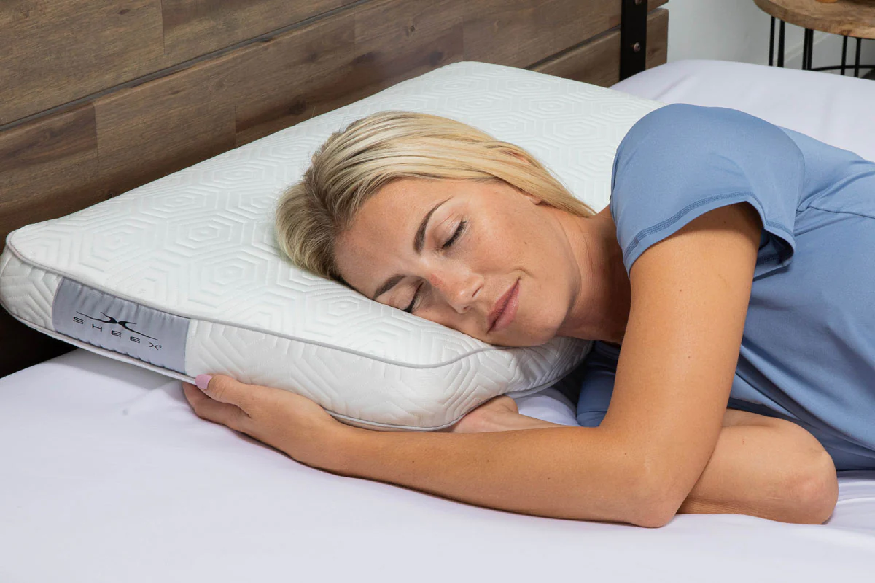
Stomach sleepers face the greatest challenge when it comes to heat and comfort. Because their face is in close proximity to the pillow, they are highly susceptible to heat buildup and may feel a sense of suffocation if the pillow is too plush. This sleep style requires a very thin, low-loft pillow to prevent the lower back from arching uncomfortably. Because stomach sleepers often wrap their arms around or under the pillow, the entire surface area needs to stay cool.
Read More : Elevating the Home Bar: How to Choose the Perfect Wine Rack with Display Top
Breathability is the most important factor for stomach sleepers. Natural materials like bamboo-derived fabrics or cotton covers are essential. Many stomach sleepers find success with thin pillows made of ventilated memory foam, which features small pin-holes drilled through the material to allow heat to escape. Some also prefer water-based cooling pillows, which allow for a very thin profile while providing a consistent cooling effect that does not diminish as the night goes on.
Conclusion
Finding the perfect cooling pillow is a journey of matching your body’s physical requirements with the right thermal technology. By understanding whether you need the structural support of a high-loft memory foam or the breathable flexibility of shredded latex, you can eliminate the discomfort of night sweats and hot flashes. The right pillow should not just feel cold for the first ten minutes; it should work dynamically with your body to maintain a stable, comfortable environment throughout every stage of your sleep.