

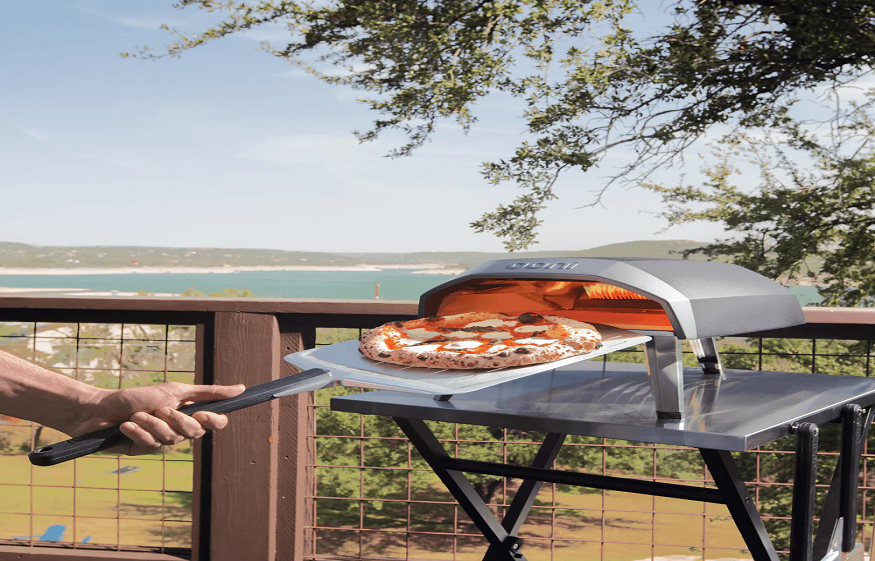
In the competitive world of the culinary industry, profitability is often determined by marginal gains in operational efficiency. For pizzerias, food trucks, and large commercial kitchens specializing in high-volume pizza production, the oven is the single most critical, and often the most energy-intensive, piece of equipment. Traditional wood-fired or older gas-powered ovens, while delivering authenticity, can become significant drains on the budget due to fuel consumption, heat loss, and slow recovery times. This challenge has driven a wave of innovation, resulting in a new generation of energy-efficient commercial outdoor pizza ovens designed to drastically reduce costs while simultaneously increasing throughput and maintaining quality.
The strategic shift to an energy-efficient oven is no longer just about environmental consciousness; it is a fundamental business decision. These modern units utilize advanced insulation, optimized combustion systems, and smart temperature controls to ensure that the vast majority of energy used is converted directly into heat for cooking, rather than wasted into the surrounding air. This efficiency directly translates into lower utility bills, faster cooking times, and a more consistent product, offering a critical advantage in the fast-paced food service sector.
Understanding the Energy Drain in Traditional Ovens
To appreciate the value of modern efficiency, it is helpful to understand the weaknesses of traditional designs. Older, masonry-style ovens rely heavily on sheer thermal mass. They require hours of preheating to absorb energy into the heavy stone or brick, and much of that heat is inevitably lost through the chimney, the front opening, and poor wall insulation.
- Wood-Fired Ovens: While providing unique flavor, these ovens require inconsistent, labor-intensive fueling and produce high levels of particulate matter and CO2 emissions. The heat output is difficult to regulate precisely, often leading to uneven cooking and constant temperature fluctuations that slow down production.
- Older Gas Ovens: These units often feature single-layer insulation and inefficient burners. They constantly cycle on and off to maintain temperature, leading to high gas consumption and poor recovery time when the oven door is frequently opened during a busy rush. This slow recovery forces chefs to slow their pace, limiting the potential number of pizzas produced per hour.
The Pillars of Modern Efficiency
Energy-efficient commercial ovens address these shortcomings through three core technological improvements: advanced insulation, optimized heat distribution, and smart controls.
1. Next-Generation Insulation
Modern outdoor ovens utilize high-density ceramic fiber blanket insulation, which is vastly superior to traditional brick or refractory cement. This material, often used in aerospace applications, has extremely low thermal conductivity. It acts as a powerful barrier, effectively trapping heat within the oven dome and hearth. This advanced insulation results in several key benefits:
- Lower Fuel Consumption: Less heat escapes, meaning the burners (or wood) need to fire less frequently to maintain the required cooking temperature, sometimes reducing fuel use by 30 percent or more.
- Faster Heat-Up: The oven absorbs and retains heat quicker, shortening the time needed to reach operating temperature at the start of the day.
- Reduced Ambient Heat: A better-insulated oven radiates less heat into the surrounding kitchen or outdoor space, improving comfort for the staff and potentially lowering air conditioning costs.
2. Optimized Heat Distribution Systems
Efficient ovens are engineered to distribute heat evenly and quickly, ensuring every pizza cooks uniformly and rapidly.
- Infrared and Convective Heat: High-efficiency gas and electric ovens often use infrared burners or unique heat channels that maximize the transfer of energy to the cooking surface and the dome interior. Some feature forced air or convection systems to recirculate heat, eliminating cold spots.
- Rotary Hearth Ovens: A major efficiency gain comes from the rotary hearth By constantly rotating the pizzas past the heat source, these ovens eliminate the need for an operator to constantly turn the pizzas manually. This keeps the door closed for longer periods, drastically reducing heat loss and ensuring rapid, consistent cooking times for every pie, which directly translates to high output (pizzas per hour).
Conclusion: The Future of Pizza Is Smart
The energy-efficient commercial outdoor pizza oven is more than just a piece of equipment; it is a strategic asset. It represents the smart future of food service, where sustainability and operational economics are inextricably linked. By investing in an oven with advanced insulation, optimized heat mechanics, and precise digital controls, pizzerias can move beyond the limitations of traditional cooking. They not only gain a powerful edge in cost management through lower utility bills but also unlock a new potential for high-volume, consistent output, ensuring their business is both fired up for performance and frugal on resources for years to come.